







Search Results for: Vitória port
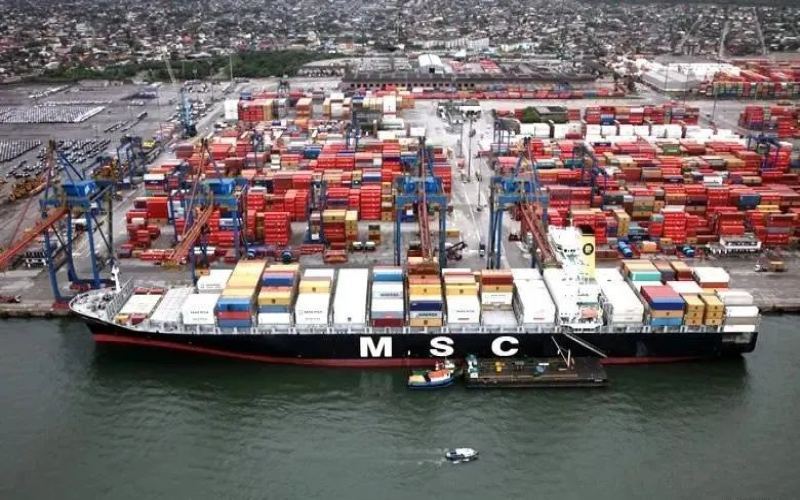
Victoria Harbour Robusta exports hit second-highest level on record, climate concerns cloud future outlook
Brazil's Vitória port delivered impressive coffee export results in November, with monthly shipments exceeding 844,000 bags, setting the fourth-highest monthly record in the port's history, while robusta coffee in particular set a historic single-month export peak. This performance was mainly driven by strong supply from Espírito Santo state, Brazil's largest robusta-producing region. The Vitória Coffee Trade Center believes that the export growth helps enhance the competitiveness of Brazilian robusta in the international market, while improved logistics efficiency and an increase in certified coffee supply have also supported exports. However, the outlook is not entirely smooth. Affected by El Niño, major producing countries such as Indonesia and Vietnam have successively experienced extreme weather, and robusta coffee futures once soared to their highest level since 2008. Soil moisture in Brazil's Espírito Santo state also fell to a seven-year low, farmers are strongly reluctant to sell, and future output is difficult to estimate. Vietnam's new-crop robusta is gradually coming to market, which may bring new variables to the market. [more…]
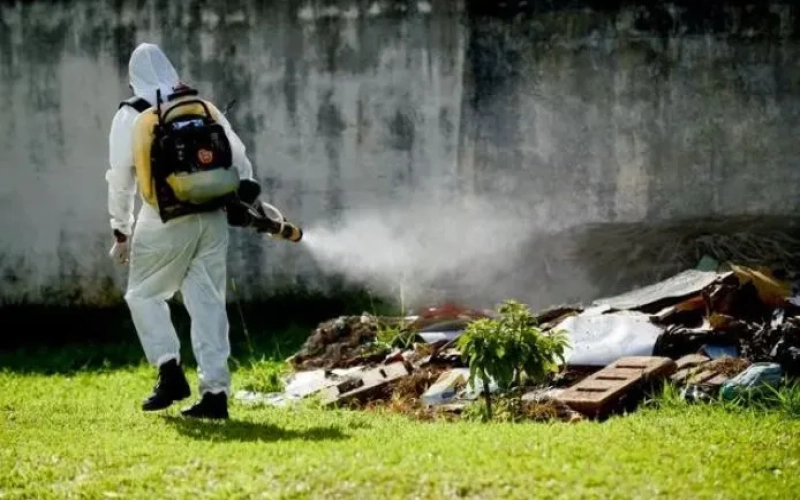
Dengue Fever Outbreak Hits Brazil's Coffee Industry: Harvest Slows, Port Congestion Worsens, Indonesia Cases Surge
The hot and humid climate brought by El Niño created conditions for mosquito breeding, leading to severe dengue fever outbreaks in multiple countries across the Americas. Among them, Brazil's confirmed cases exceeded 3.5 million, with 1,544 deaths, both hitting the highest records since 2000. Hospital admissions surged, with the average dengue fever admission rate at São Paulo's municipal hospitals reaching 90%. At the same time, Brazil entered the early stage of harvesting the new Robusta coffee season, and a large number of workers were absent due to illness, significantly slowing down the harvest progress. The Port of Santos had long been plagued by ship delays due to aging facilities, outdated management, and insufficient manpower, and the epidemic further worsened congestion. In March, the coffee ship delay rate rose to 80%, reaching 81% at the Port of Rio de Janeiro and 59% at the Port of Vitória. In Asia, Indonesia also experienced a dengue fever outbreak, with over 60,000 confirmed cases and 475 deaths, about three times that of the same period last year. Front Street Coffee reminds you to pay attention to origin updates and travel safety. [more…]
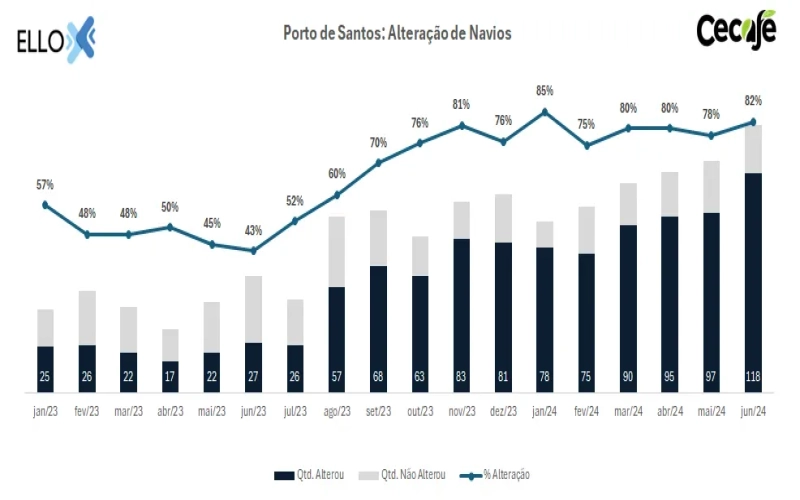
Brazilian coffee exports hit by a double whammy: port delays cause $290 million in losses, while high temperatures and drought continue to threaten production.
The Brazilian coffee industry is currently facing severe challenges. According to the latest report from the Brazilian Coffee Exporters Council, the delay rate at major ports reached 62% in June, leaving 1.23 million bags of coffee unable to be exported on schedule and causing foreign exchange losses of approximately US$290 million. The delay rate at the Port of Santos climbed to a record high of 82%. At the same time, persistent high temperatures and drought are affecting core producing regions such as Minas Gerais, and harvested coffee beans are showing undersized defects, with production expected to be revised down by 2 to 3 million bags. In addition, the dengue fever outbreak has exacerbated labor shortages, further weighing on exports. Front Street Coffee continues to monitor developments in Brazilian producing regions and brings you the latest industry analysis. [more…]
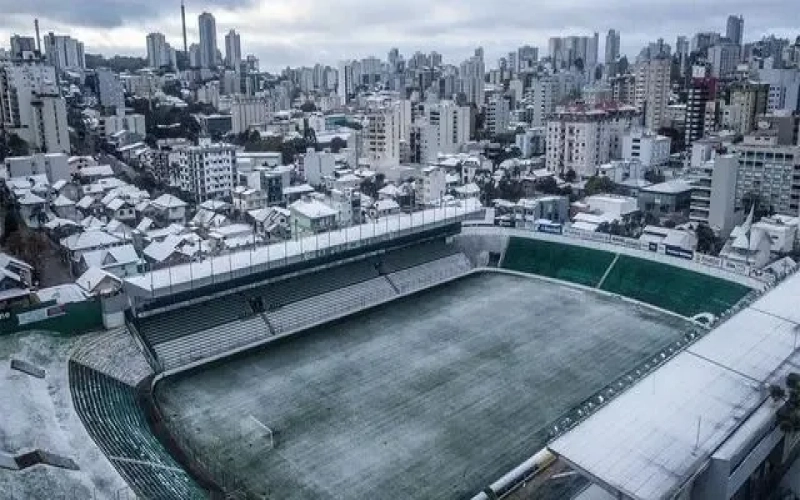
Brazil's early winter brings cold snaps and frost threats, potentially affecting yields of coffee and other crops
Although Brazil is located in the Southern Hemisphere tropics and normally only enters winter from June to September, affected by El Niño, this year's winter seems to have arrived early. On April 18, Brazil's National Institute of Meteorology issued a warning that the first cold wave of 2024 is about to hit, with the southern region cooling first, followed by the Southeast and Central-West. Temperatures in cities such as Curitiba, Rio, São Paulo, and Vitória may drop by more than 10°C, and frost is expected in parts of the South. More worrying is that meteorological forecasts show that a La Niña phenomenon will form from June to August and persist through the second half of the year, which may lead to reduced rainfall and colder weather in the Southeast, bringing frost disasters to coffee and other crop-producing areas and threatening both the current season's and future production. Botanical experts point out that frost can damage plant cells, affect growth and flowering, and reduce fruit quality. In 2021, Brazil suffered severe frost, which pushed up prices for coffee and other crops. Now farmers need to take precautions in advance. [more…]

A Complete Guide to Brazilian Coffee Regions: From Historical Origins to Queen Farm Yellow Bourbon Flavor
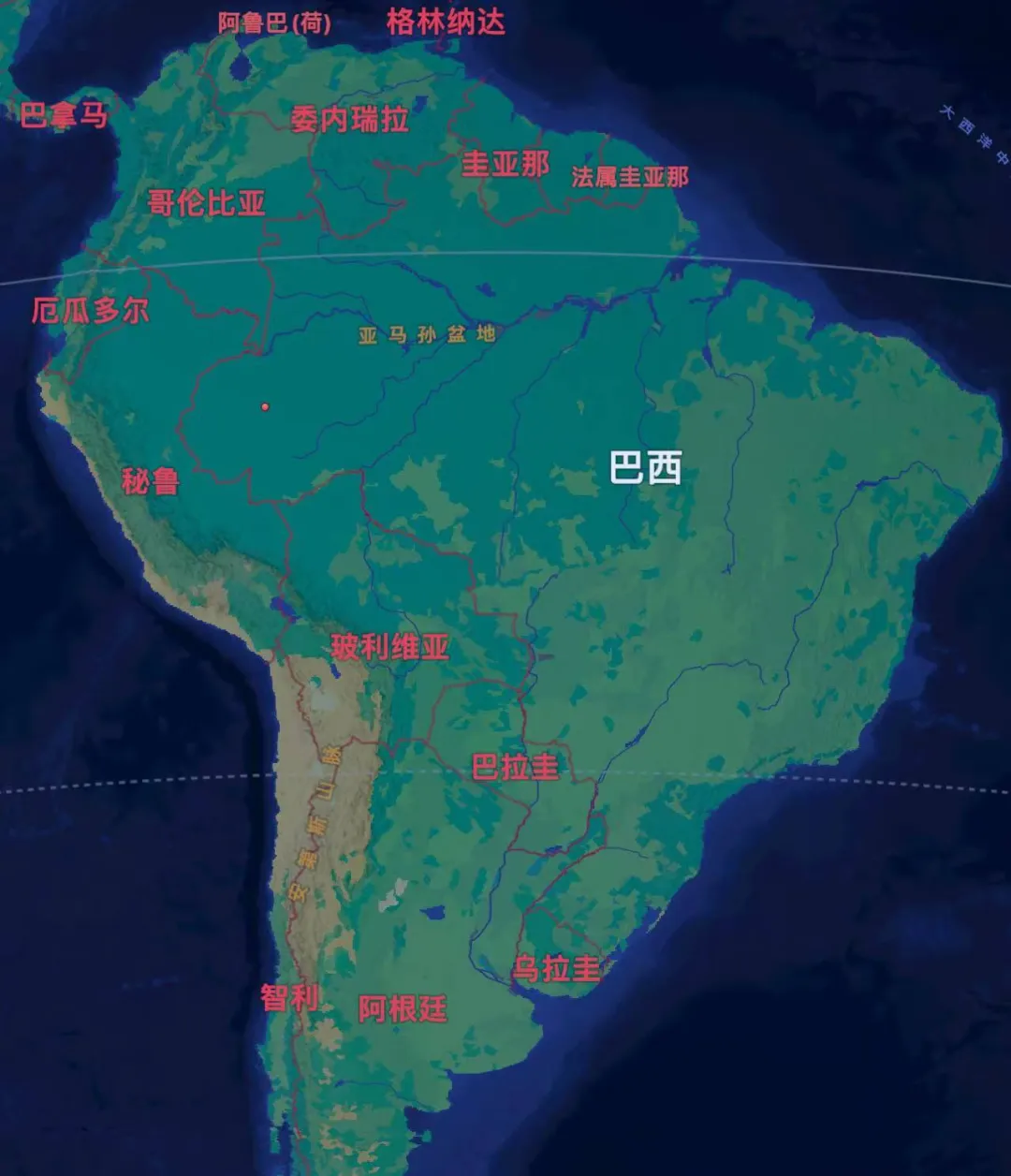
Brazil is the world's leading country in both coffee production and exports, accounting for about one-third of the global total. However, coffee is not native to Brazil. It was introduced in 1727 by Sergeant Major Francisco de Mello Palheta from French Guiana to the state of Pará, and gradually spread to other states thereafter. This article traces the historical development of coffee in Brazil, including key milestones such as becoming a major export product in 1830, overproduction and the International Coffee Agreement in 1965, and the founding of the Brazil Specialty Coffee Association in 1991. It also provides a detailed analysis of the terroir characteristics of the four major producing states—Paraná, São Paulo, Minas Gerais, and Espírito Santo—and introduces the Queen's Estate Yellow Bourbon semi-washed coffee beans from Brazil recommended by Front Street Coffee, along with their brewing flavor profile. [more…]
Brazil Specialty Coffee Recommendation | Flavor Characteristics and Origin Introduction of Brazil Cerrado Bourbon Coffee Beans Semi-Washed Processing Method
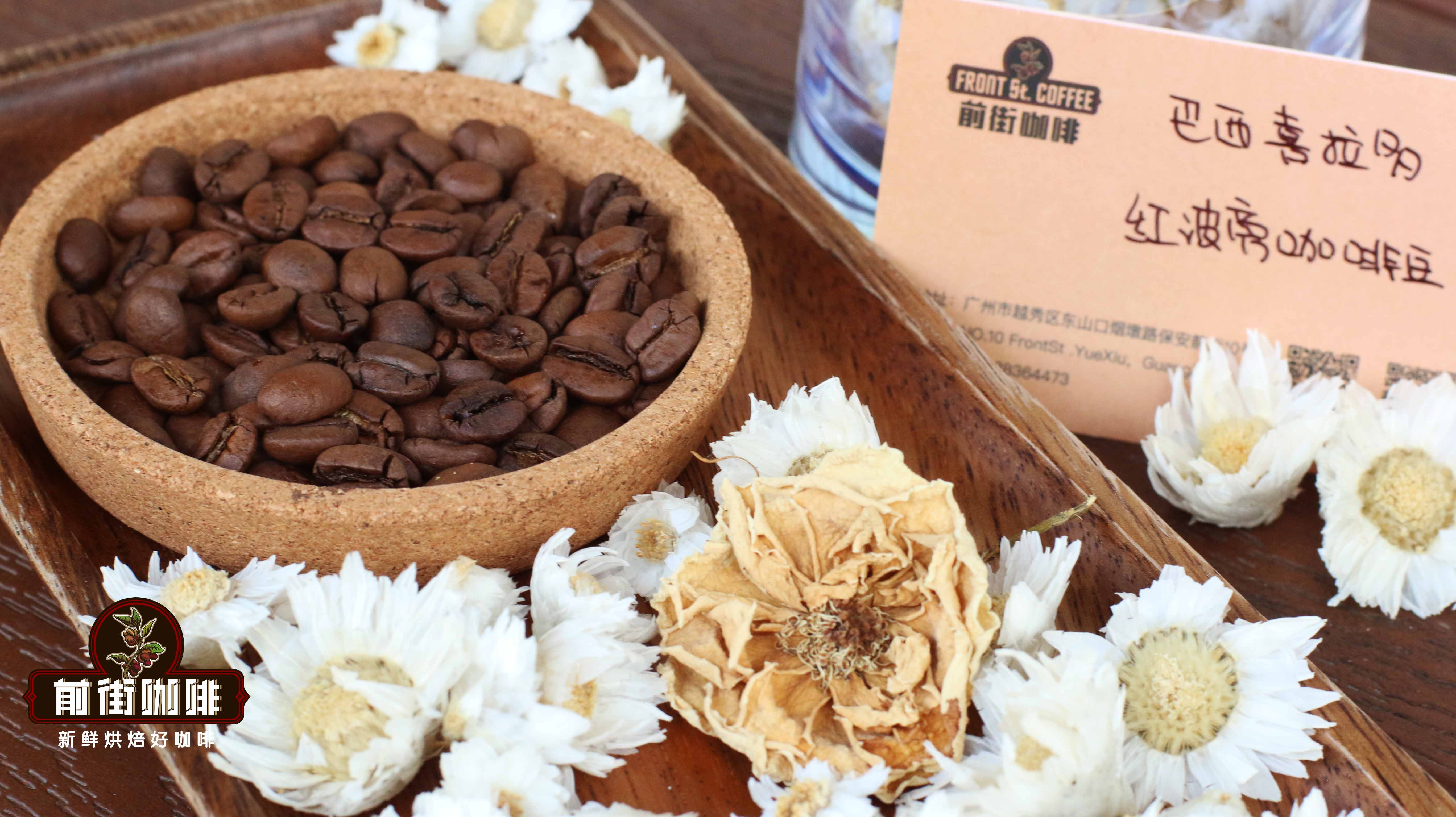
For more specialty coffee knowledge, please follow: Front Street Coffee (Frontsteet Coffee) Brazilian coffee has always been regarded by everyone as the top choice for "large quantity and satisfying," because it not only has a balanced taste but is also economically affordable. A bag of Front Street Brazilian everyday coffee beans costs only 25 yuan, while a bag of [more…]
The Flavor Code of Brazilian Coffee Regions: Distribution Characteristics of Six Major Regions and Recommended Representative Brands
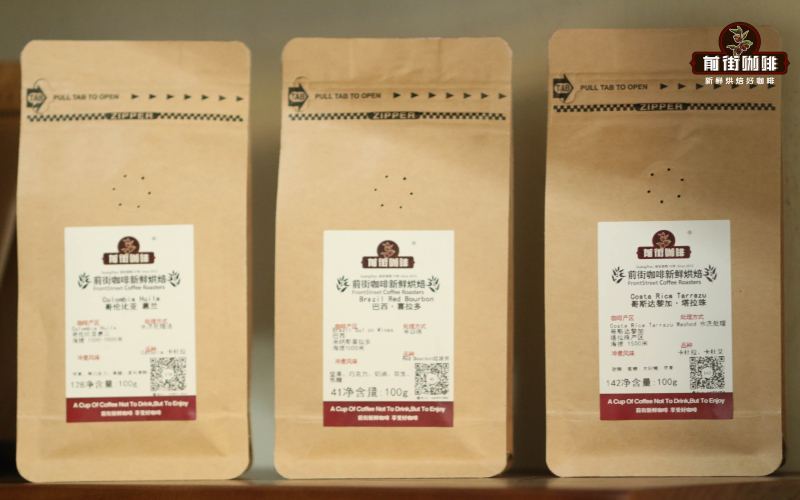
As the world's largest coffee producer, Brazil is known for its coffee beans with soft acidity and a smooth mouthfeel, making them ideal for those who are new to specialty coffee and not quite ready for pronounced acidity. Brazil has six major coffee-producing regions: Bahia, Espírito Santo, Minas Gerais, São Paulo, Paraná, and Rondônia. Each region, due to differences in altitude, climate, and cultivation methods, presents distinct flavor characteristics. Among them, the Cerrado region in Minas Gerais is the hallmark of Brazilian specialty coffee, and the Brazilian Red Bourbon daily-drinker beans selected by Front Street Coffee come from here. This article will go through the distribution, growing conditions, and flavor characteristics of the six major regions one by one, and introduce detailed information and brewing suggestions for Front Street's Brazil Cerrado Red Bourbon. [more…]
A Beginner's Guide to Brazilian Coffee Regions: From Geography and Climate to Front Street Coffee's Selected Beans and Prices
Brazil, as the world's largest coffee producer, has always been known for its abundant output and affordable prices, making it the preferred source of everyday staple beans for many people. Front Street Coffee sells a bag of Brazilian staple beans for only 25 yuan, and espresso blends containing Brazilian beans cost no more than 80 yuan, offering extremely high value for money. This article will take you through a comprehensive understanding of Brazil's national overview, the meaning of its flag, and its geographical and climatic characteristics, and will introduce major coffee-producing regions such as Paraná, São Paulo, Minas Gerais, and Espírito Santo one by one. It will also recommend entry-level selected beans such as Front Street Coffee's Queen's Estate and Cerrado Red Bourbon, along with their brewing flavor performance, providing coffee enthusiasts with a complete introductory reference to Brazilian coffee. [more…]
Cold current is coming!? Brazil is about to be hit by a frost.
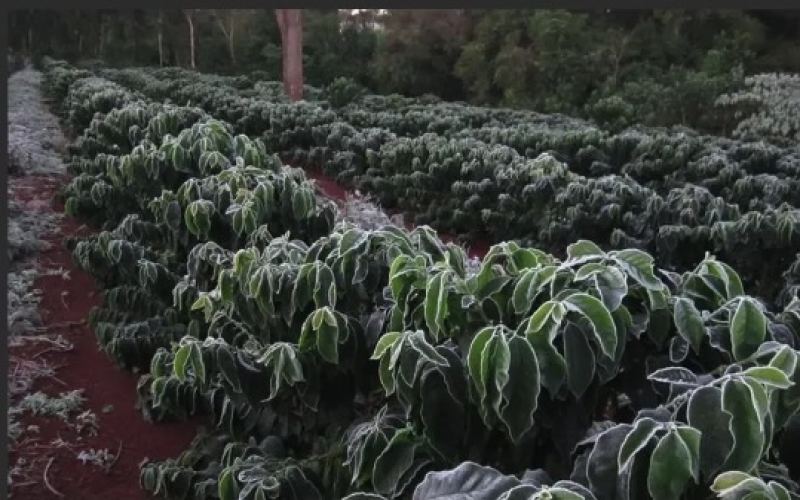
It is understood that although Brazil is in the southern hemisphere and is located in the tropics, according to normal circumstances, Brazil has four seasons a year, and from June to September every year, winter will come. However, this year, due to [more…]
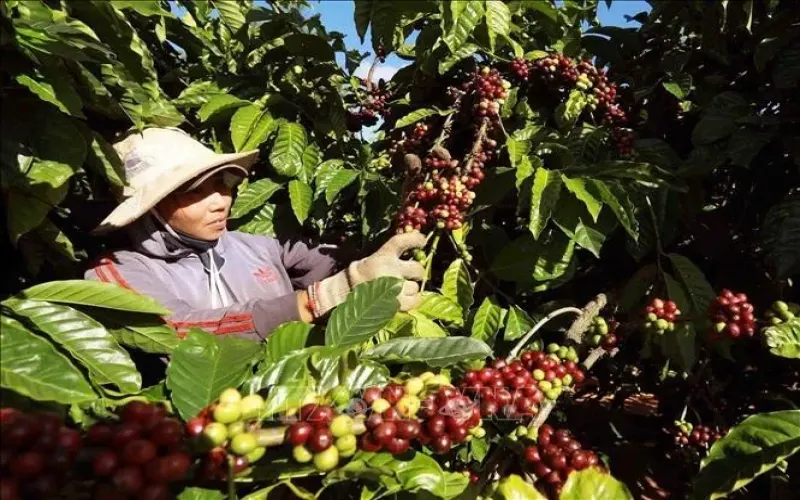
Vietnam's coffee export revenue reached 3.22 billion USD in the first half of the year, yet exporter Vinacafe reported losses, with cumulative losses exceeding one trillion dong.
In the first half of 2024, Vietnam's exports of agricultural, forestry and fishery products reached about US$29.2 billion, up 19% year on year, with coffee standing out at US$3.22 billion in export value; although export volume fell 10.5%, a 50.4% rise in the average price drove the growth. However, Vietnam's largest coffee company, Vinacafe, has reported losses; although it achieved its first profit in 2023, its cumulative losses still exceed 1.09 trillion Vietnamese dong. A combination of aging coffee plantations, severe weather, rising fertilizer prices and the Red Sea crisis is putting pressure on Vietnam's coffee industry. This article takes you behind the joys and worries of Vietnam's coffee exports. [more…]
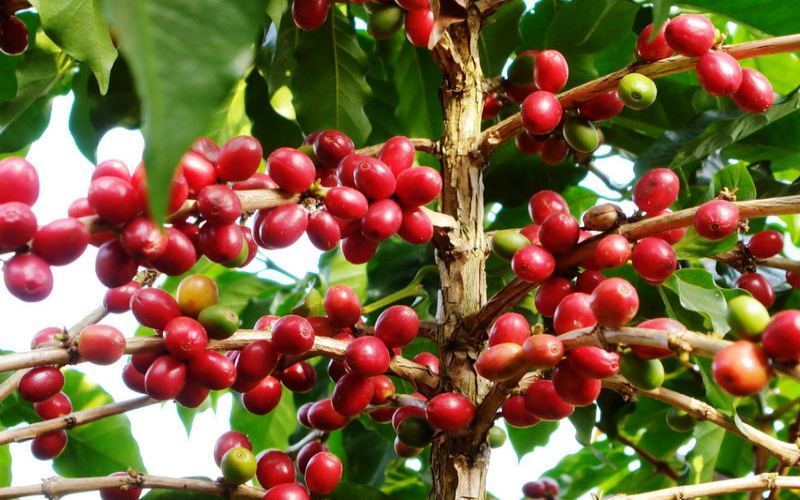
San Cristóbal and Galápagos Coffee: Tracing the Flavor Origins and Growing Conditions of Ecuador's Island Region
In the eastern Pacific's Galápagos Islands, San Cristóbal Island, with its abundant freshwater resources and unique microclimate, produces a highly acclaimed coffee treasure. This island is not only the only landmass in the archipelago with sufficient freshwater, but also, thanks to the Ecuadorian government's strict ecological protection policies, has become a representative region for naturally organic coffee. This article will guide you through an in-depth understanding of San Cristóbal's geographical environment, coffee-growing history, flavor characteristics, and the role of the Andes in Ecuador's coffee landscape. At the same time, we will also share Front Street Coffee's practical suggestions on fresh roasting and brewing to help you better savor this unique coffee from an equatorial island. [more…]

Spanish Latte Didn't Originate in Spain? The Birthplaces of Ice Drip and Cold Brew, and the Beautiful Misunderstanding Behind the Name Arabica
There are quite a few interesting trivia facts hidden in the world of coffee: the Spanish latte is actually not a native Spanish drink, but originates from a candy coffee called Café Bombón; the inventor of cold brew coffee was not Japanese either, but the Dutch of the Age of Discovery. Although the cold drip tower is a Japanese improvement, the roots of cold brew as an extraction method lie in the West; and the name Arabica stems from a beautiful misunderstanding—it rose to prominence in Yemen, yet it did not originate in Arabia. Its true homeland is Ethiopia. This article guides you through these coffee trivia facts one by one, while retaining relevant recommendations from the Front Street brand for coffee enthusiasts to gain a deeper understanding. [more…]
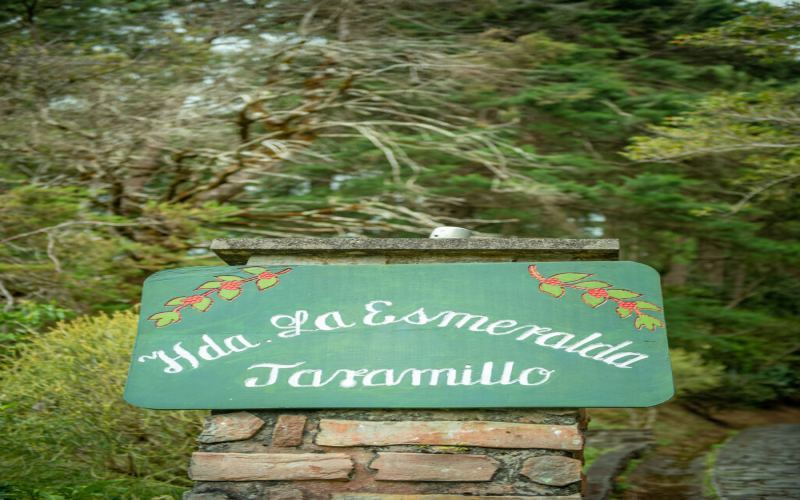
The Past and Present of Panama Hacienda La Esmeralda Blue Label Geisha: The 2021 Natural Batch and Its Connection to Las Rocas Volcanic Rock
In 2021, Panama's Hacienda La Esmeralda suddenly announced the cancellation of the Blue Label Geisha grade, leaving many enthusiasts who wanted to taste Geisha flavors at an affordable price feeling disappointed. However, in October of the same year, a Panama Boquete Geisha named Las Rocas quietly arrived at port. After extensive verification by Front Street Coffee, it was confirmed to be from Hacienda La Esmeralda, filling the market gap left by Blue Label. This article reviews Hacienda La Esmeralda's plot divisions and Geisha grading system, explains in detail the washed and natural processing methods, and shares Front Street's medium-light roast profile and three-stage brewing method, taking you through a comprehensive understanding of Blue Label Geisha's unique charm and its inheritance relationship with Las Rocas. [more…]
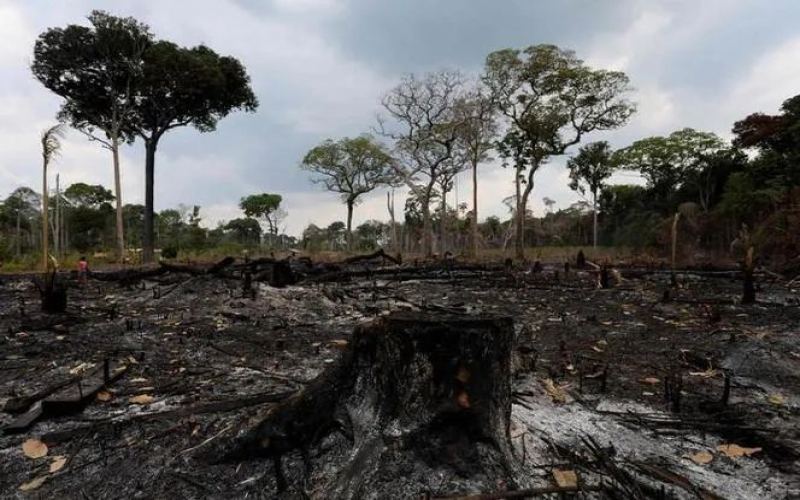
Brazil Hit by Twin Blows of Fire and Drought: Coffee Season Delayed to 2027, Exports Disrupted, Prices Poised to Rise
The Brazilian coffee industry is facing a dual shock from drought and fires. Since the end of August, fires have continued to spread across various regions, burning large swaths of coffee plantations and forcing producers to replant, delaying the originally planned 2025 harvest to 2027. Meanwhile, the worst drought on record has swept across the country, and falling water levels in Amazonian rivers have caused congestion at southern ports, where about 1.2 million bags of coffee have piled up and been damaged, with losses reaching as high as US$300 million. Smoke has covered nearly 5 million square kilometers, affecting at least 10 states. In view of multiple factors such as fires, worsening air quality and port delays, coffee exports are expected to decline and prices will continue to rise. [more…]
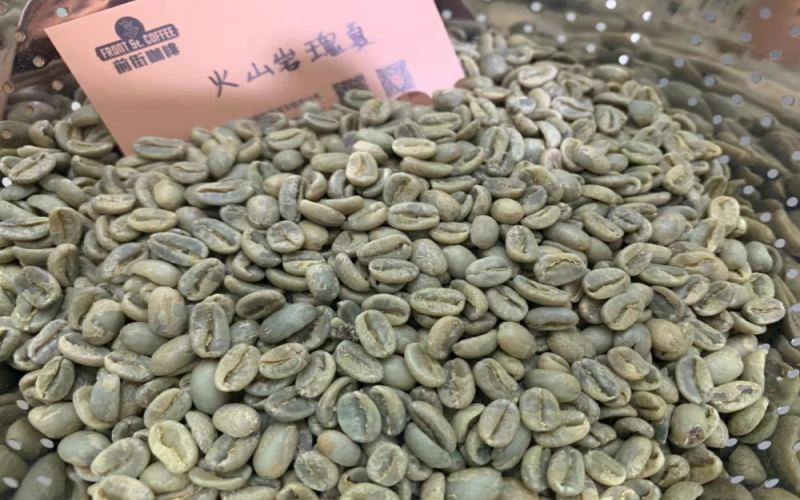
Hacienda La Esmeralda Blue Label Geisha Renamed Las Rocas? The Mystery of the Volcanic Rock Geisha Taking Over After 2021 Discontinuation
In October 2021, a Panamanian Boquete Geisha coffee bean called Las Rocas quietly arrived at port. Its packaging was exquisite, but behind it hid the secret of Hacienda La Esmeralda's discontinuation of its Blue Label Geisha. Why did Hacienda La Esmeralda cancel the Blue Label? Is Las Rocas the replacement for the Blue Label? Front Street takes you through the history of Blue Label Geisha, sorts out Hacienda La Esmeralda's Geisha grade classifications, plot distribution, and processing methods, and provides an in-depth analysis of the origins and story behind Las Rocas Volcanic Rock Geisha. Whether you are a Geisha enthusiast or a coffee professional, this article will unveil this mysterious new bean for you, letting you learn how to continue enjoying Hacienda La Esmeralda's Geisha flavors at an affordable price. [more…]
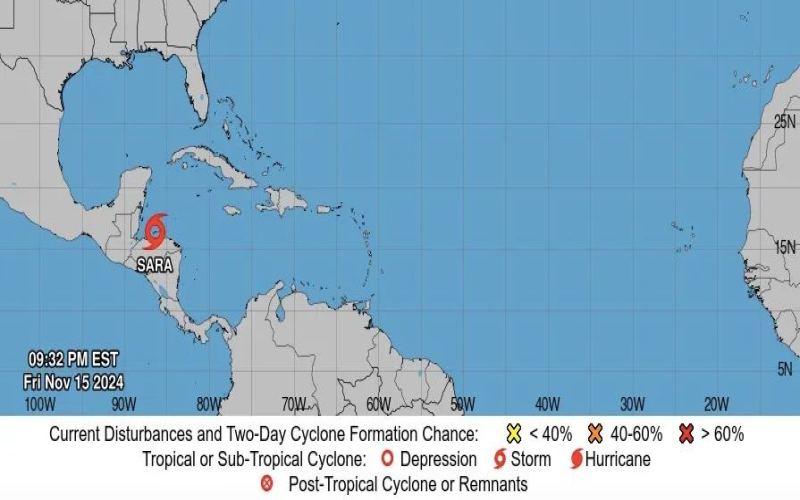
Tropical Storm Sara Devastates Honduras: Coffee Exports Disrupted, Arabica Futures Prices Hit Record High
The 18th named storm of the 2024 Atlantic hurricane season, "Sara," made landfall in northern Honduras, affecting nearly 33,000 people, and the president declared a 30-day national state of emergency. Torrential rain, flooding, and mudslides not only destroyed roads and disrupted port operations, but also struck just before the coffee harvest season, potentially dealing a severe blow to the output and exports of the world's sixth-largest coffee producer. Combined with harsh weather in producing regions such as Brazil and Colombia, Arabica coffee futures prices have soared to historic highs. This article will sort out the specific impact of the storm on Honduras' coffee industry and follow how brands such as Front Street Coffee continue to track information from producing regions. [more…]
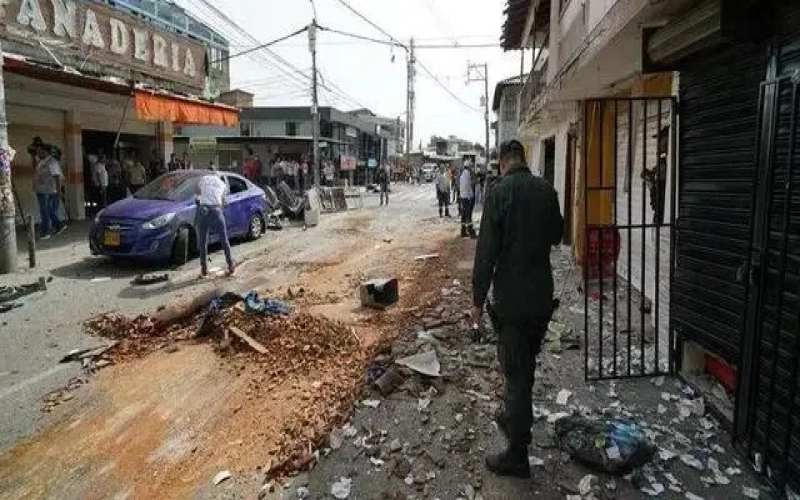
Conflict between the Colombian government and two major rebel groups escalates, affecting key coffee-producing regions
On August 5, Colombia's Ministry of Defense announced the resumption of military operations against the anti-government armed group the National Liberation Army (ELN), and the ceasefire agreement will not be extended after it expires. At the same time, government forces are also fully committed to striking the dissident branch of the former Revolutionary Armed Forces of Colombia (FARC), the Central General Staff. The southwestern and northeastern provinces where these two major armed groups are active happen to be important coffee-producing regions in Colombia. The civil conflict may severely impact coffee cultivation, infrastructure, and exports, thereby driving up international coffee prices. [more…]

An Analysis of Hacienda La Esmeralda Geisha Blue Label Coffee and a Detailed Guide to Pour-Over Steps
Panama's Hacienda La Esmeralda Geisha coffee has always been the focus of the specialty coffee world, and its Blue Label series allows more people to experience Geisha flavor at an accessible price. This article reviews the brand background, plot distribution, and grade classification of Blue Label Geisha, as well as the sun-dried processing added in 2020 and the replacement products after the Blue Label was discontinued in 2021. At the same time, Front Street Coffee shares the roasting analysis and three-stage brewing steps for Blue Label Geisha to help coffee lovers recreate the classic flavor at home. [more…]
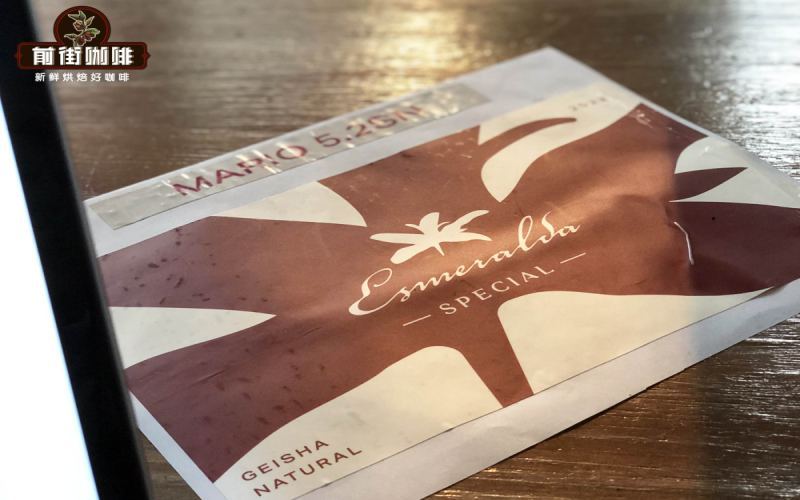
A Complete Guide to Hacienda La Esmeralda Geisha Grades: Distinguishing Red, Green, and Blue Labels and Their Flavor Profiles
Geisha coffee is the crown jewel of today's specialty coffee world, and the Geisha produced by Panama's Hacienda La Esmeralda is regarded as the industry benchmark. In 2004, Hacienda La Esmeralda took first place in the BOP competition with a light-roasted Geisha, forever changing the fate of Panamanian coffee. This article systematically reviews Hacienda La Esmeralda's Geisha product grading system, explaining in detail the differences in definition, plot origin, and flavor expression among the Red Label, Green Label, and the discontinued Blue Label. It also introduces Hacienda La Esmeralda's three sub-estates and their small plot divisions, and includes Front Street Coffee's brewing suggestions and product information, helping coffee enthusiasts gain a comprehensive understanding of this legendary variety. [more…]
The Complete Guide to the Differences Between Panama Hacienda La Esmeralda Geisha Red Label, Green Label, and Blue Label and Pour-Over Parameters
When Geisha is mentioned, the first name that comes to most people's minds is Hacienda La Esmeralda in Panama. In 2004, Daniel, the third-generation manager of Hacienda La Esmeralda, entered a Geisha bean with a distinctly different flavor profile in the BOP competition, forever changing the landscape of specialty coffee. Hacienda La Esmeralda's Geisha product line is divided into Red Label, Green Label, and the former Blue Label, each differing in plot source, altitude, and quality standards. This article will systematically review the development history of Hacienda La Esmeralda, the detailed plot divisions of its three sub-farms, and the core differences between Red Label and Green Label, while also including the pour-over Geisha parameters recommended by Front Street Coffee, to help coffee enthusiasts gain a comprehensive understanding of this legendary bean variety. [more…]